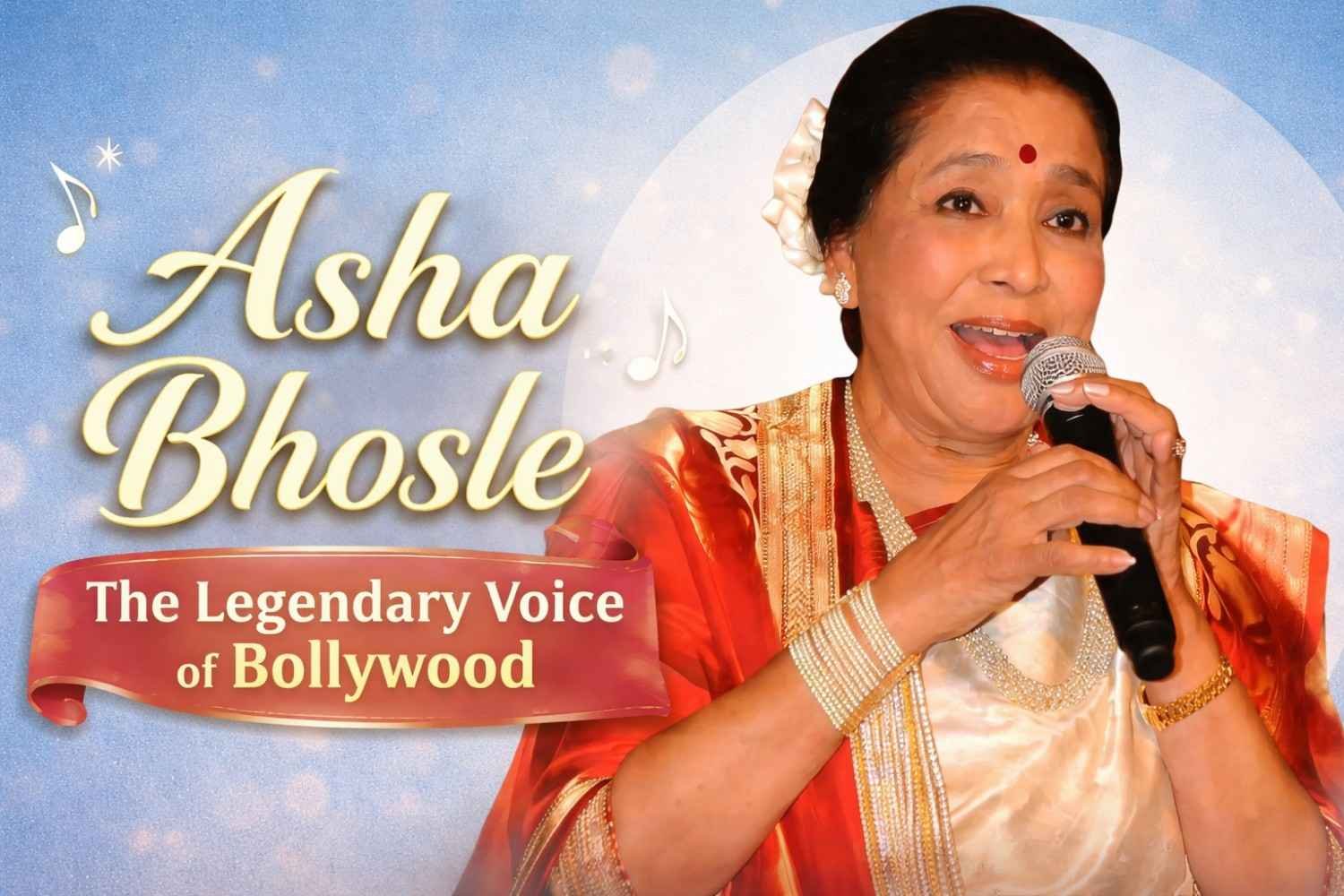
In the golden era of Hindi cinema, one voice stood out for its versatility, energy, and raw emotion—Asha Bhosle. She wasn’t just a playback singer; she was the heartbeat of countless unforgettable songs. On April 12, 2026, the music world lost this icon at the age of 92. A short yet deeply moving biographical video titled Asha Bhosle: दर्द, संघर्ष, प्यार और सुरों की अमर कहानी captures her extraordinary journey in just under five minutes. It weaves together her childhood struggles, family crises, complicated bond with sister Lata Mangeshkar, fierce determination to create her own identity, magical partnership with R.D. Burman, and the painful chapters of her personal life.
This article expands on the video’s emotional narrative, bringing to life the real story behind the voice that recorded over 12,000 songs in more than 20 languages and redefined Indian film music for decades.
A Childhood Shaped by Loss and Responsibility
Born Asha Mangeshkar on September 8, 1933, in Indore into a musically gifted family, Asha’s early years were far from easy. Her father, Dinanath Mangeshkar—a renowned classical vocalist and theatre actor—passed away when she was just nine years old. The family was plunged into financial crisis. With her elder sister Lata already stepping into playback singing to support the household, young Asha followed suit. Music wasn’t a choice; it was survival.
The video highlights how this early loss forged Asha’s resilience. The Mangeshkar sisters grew up incredibly close—Lata would even take little Asha to school with her. But tragedy and responsibility came too soon, turning childhood into a battleground for dignity and talent.
The Painful Rift with Lata Mangeshkar
One of the most emotionally charged parts of Asha’s story—and a key focus of the biography video—is her complex relationship with Lata Mangeshkar. The sisters shared a deep bond in childhood, but life tested it harshly. Media often speculated about “rivalry,” though both denied it. The real fracture came in 1949 when 16-year-old Asha eloped with Ganpatrao Bhosle, Lata’s 31-year-old secretary. The Mangeshkar family, including Lata, disowned her. Lata felt betrayed, left to shoulder the family’s burdens alone.
The video poignantly describes the “जटिलता” (complexity) in their bond. Asha faced years of isolation from her family while navigating a troubled marriage marked by domestic abuse. She eventually returned to her maternal home with two children (and pregnant with the third), rebuilding her life and career from scratch.
Carving Her Own Identity in the Shadow of Legends
Despite the personal turmoil, Asha refused to remain in anyone’s shadow. She began her playback career in the 1940s but truly blossomed in the 1950s and 60s. While Lata was known for soulful, melodic numbers, Asha mastered everything—from cabaret and Western-style tracks to ghazals and folk. Her soprano range and playful energy brought a fresh, vibrant sound to Hindi cinema.
The video celebrates her “जिद” (determination) to create a separate identity. Iconic eras mentioned include Naya Daur, Teesri Manzil, Hare Rama Hare Krishna (with the electrifying “Dum Maaro Dum”), Umrao Jaan, Ijaazat, and Rangeela. Asha’s voice didn’t just sing songs—it defined moods, eras, and emotions.
The Fairytale Romance with R.D. Burman
After years of struggle, love found Asha again in the form of composer R.D. Burman (Pancham Da). Their professional collaboration began earlier, but it blossomed into a deep personal bond. Both had endured unhappy first marriages. Asha, scarred by her past, initially resisted, but Pancham’s patience and respect won her over. They married in 1980 in a quiet, heartfelt ceremony.
The video calls this their “ऐतिहासिक जोड़ी” (historic pairing). Together they created timeless hits like “Chura Liya Hai Tumne Jo Dil Ko” and “Duniya Mein Logon Ko.” Their love story became a symbol of second chances—two creative souls who healed each other through music.
The Heartbreaking Personal Chapters
Behind the glamour lay profound pain. Asha’s first marriage was abusive and ended in separation. She raised her children largely alone while battling family rejection and industry challenges. Later tragedies, including the loss of loved ones, tested her spirit further. Yet she channeled every emotion into her art, turning personal dard into melodies that touched millions.
The biography video doesn’t shy away from these “दर्दनाक अध्याय” (painful chapters). It portrays Asha not as a victim, but as a survivor whose strength made her voice even more powerful.
A Legacy That Will Echo Forever
Asha Bhosle’s contributions earned her the Padma Vibhushan, a Guinness World Record for the most recorded songs, and a place in the hearts of generations. From the 1940s to the 2020s, she remained relevant—singing for every era, every mood.
As the video beautifully concludes, Asha was more than a singer. She was the immortal tale of pain transformed into melody, struggle into success, and heartbreak into harmony. Her voice continues to inspire, reminding us that true legends don’t fade—they live on in every song we hum.
Watch the original video for the emotional narration: Asha Bhosle Biography on YouTube
If you love classic Bollywood stories, inspirational biographies, or timeless Hindi music, share this with fellow music lovers. Asha ji’s journey proves that even the deepest struggles can birth the most beautiful sur.
Rest in peace, Asha Bhosle. Your voice will echo in our hearts forever. ❤️🎶