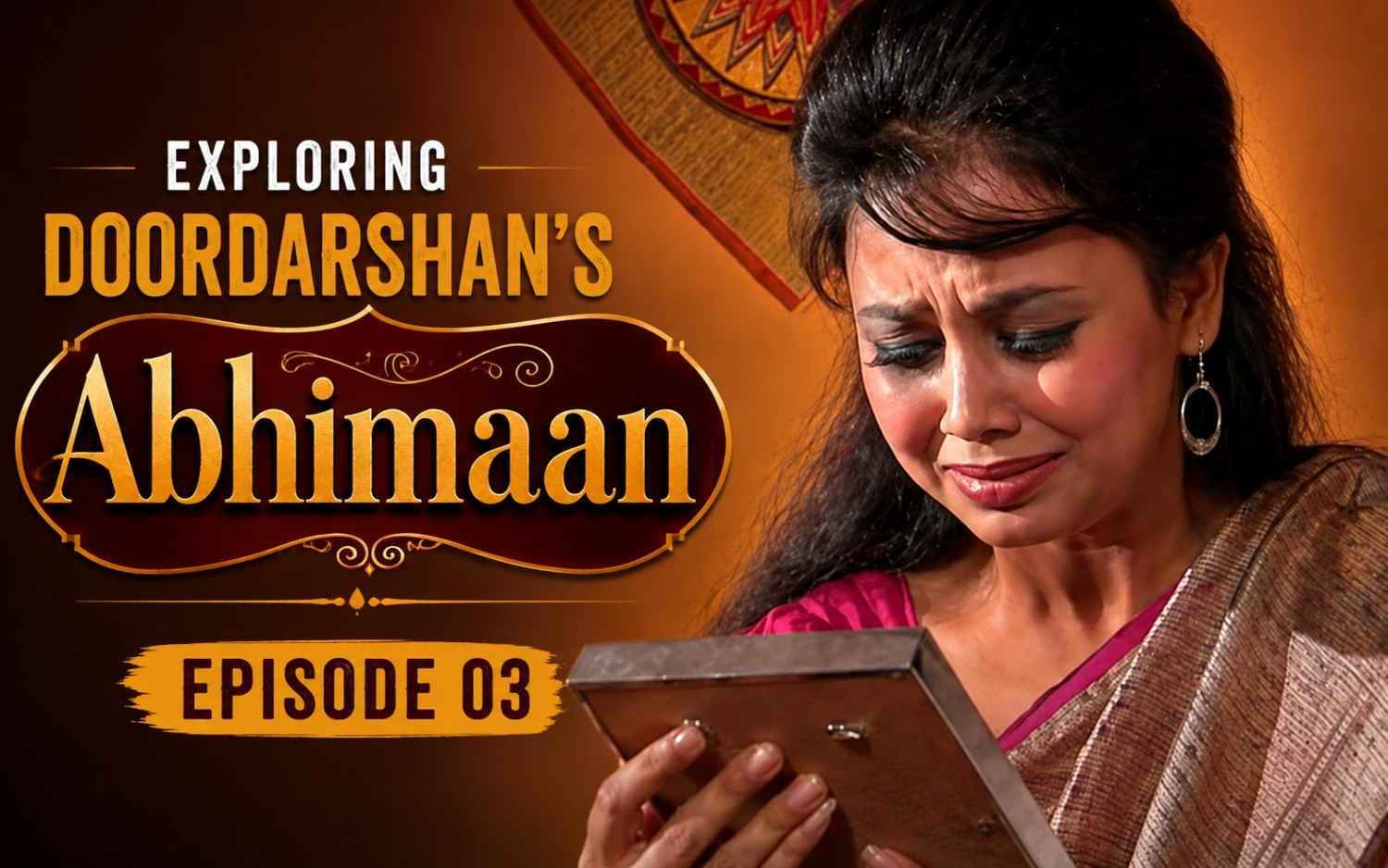
In the golden age of Indian public broadcasting, Doordarshan produced timeless family television dramas that captured complex human dynamics with quiet grace, realism, and emotional resonance. Among these classic treasures preserved by the Prasar Bharati Archives is the television series “Abhimaan” (Ego/Pride). Episode 03 offers a tragic, poignant exploration of how ego, stubbornness, and personal conflicts can tear apart a once-happy household, leaving children caught in the crossfire of adult estrangement.
Through quiet glances, subtle dialogues, and broken family rituals, Abhimaan reveals how pride acts as a silent wedge between loved ones.
Exploring Doordarshan’s Abhimaan (Episode 03)
The Core Theme: The Fracturing Power of Ego
The title of the show, Abhimaan, sets the narrative framework: unyielding pride that drives individuals to destroy their own haven (“Aashiana”). Episode 03 highlights the devastating aftermath of a marital split. The parents are separated, with the young son, Bapi (Saurabh Mukherjee), living with his father, while the young daughter, Tulu, lives with her mother and maternal relatives.
Rather than featuring loud confrontations, the dramatic tension in Episode 03 stems from missed connections, deliberate avoidance, and the quiet suffering of children who desperately crave their complete family.
Key Characters and Roles in Episode 03
To better understand the relational dynamics present in this episode, the following table outlines the key characters, their relationships, and their underlying motivations:
| Character | Relation / Role | Key Actions & Motivations in Episode 03 |
| Bapi (Saurabh) | Son (Living with Father) | Intentionally skips school every Saturday to avoid court-mandated custody meetings with his mother. |
| The Mother | Estranged Wife | Visits Bapi’s school every Saturday according to court rights, only to return empty-handed and heartbroken. |
| Tulu | Young Daughter (Living with Mother) | Longs for her father and brother; fights over toys and cries to return to her original home. |
| The Good Uncle | Family Friend | A visiting close friend who brings warmth, gifts, and attempts to bridge the emotional void in Bapi’s life. |
| Panu | Maternal Cousin / Nephew | Brings lighthearted comic relief, humorously talking about quirky scientific ideas like rooftop fish farming. |
| Grandmother (Nani) | Family Matriarch | Worries deeply over the ruined marriage of her children and prays for eventual reconciliation. |
Plot Overview: A Cycle of Avoidance and Broken Expectations
1. The Court-Mandated Saturday Visits
The narrative heart of Episode 03 centers on a heartbreaking routine. By court decree, the mother has legal custody rights to meet her son, Bapi, every Saturday after school hours. Driven by maternal devotion, she travels through the scorching heat every week, accompanied by her daughter Tulu, hoping to bring Bapi home for the weekend.
However, Bapi deliberately absents himself from school every single Saturday. He pressures his father to write sick notes for Monday mornings, engineering a quiet campaign of avoidance. When the mother arrives at the school gate, the class teacher and security guard inform her that Saurabh is absent once again. This marks the third consecutive Saturday of disappointment, leaving the mother devastated and questioning whether her son has grown to resent her.
2. The Innocent Victims: Tulu and Bapi
While the adults remain frozen in their stubborn pride, the children bear the emotional scars:
- Tulu’s Distress: Back at her maternal grandmother’s house, young Tulu feels like an outsider. During a play session, she gets into a conflict over toys with her cousins, crying out that she wants to go back to “her real house” with her father and brother.
- Bapi’s Silent Conflict: At home, Bapi packs away his sister’s toys and puts his bicycle in storage. Though he claims he doesn’t want to see his mother, his actions reveal deep nostalgia and sadness over the loss of his complete family.
3. Nostalgia and the Bittersweet Birthday
The emotional climax of the episode revolves around August 15th—India’s Independence Day—which also happens to be Bapi’s birthday. Friends and well-wishers gather to celebrate, bringing comic books and gifts.
While guests comment on how patriotic and special it is to celebrate a birthday on Independence Day, the atmosphere remains tinged with sorrow. The absence of the mother and sister hangs heavily over the celebration, serving as a stark reminder that while the country celebrates freedom, this family remains imprisoned by its own Abhimaan (pride).
Comic Relief: Panu’s Quirky Interludes
To balance the heavy emotional tone, the episode incorporates classic Hindi television humor through the character of Panu. Panu arrives at his aunt and grandmother’s house full of eccentric stories, claiming he has discovered a scientific method for “rooftop fish farming.”
His playful banter with his conservative grandmother—teasing her about her age, cracking jokes over tea and fried snacks, and discussing marriage prospects—provides a necessary lighthearted pause before the story returns to its central emotional tragedy.
Artistic Significance and Legacy
Abhimaan Episode 03 showcases why Doordarshan’s classic programming remains revered in Indian broadcast history:
- Realistic Narrative Pace: The storytelling allows quiet moments of grief, reflection, and childhood innocence to breathe without melodrama.
- Symbolism of Objects: Items like unused bicycles, stored-away toys, and unread sick notes visually symbolize lost childhood and emotional paralysis.
- Poignant Musical Score: The recurring title track emphasizes the underlying message—that pride blinds people until they have destroyed their own happiness.
Conclusion
Episode 03 of Abhimaan is a moving study of human fragile egos and the silent suffering of children during marital discord. It reminds viewers that holding onto pride often costs far more than forgiving those we love.
For fans of vintage Indian television and classic drama, this episode is available to stream on the official Prasar Bharati Archives YouTube Channel