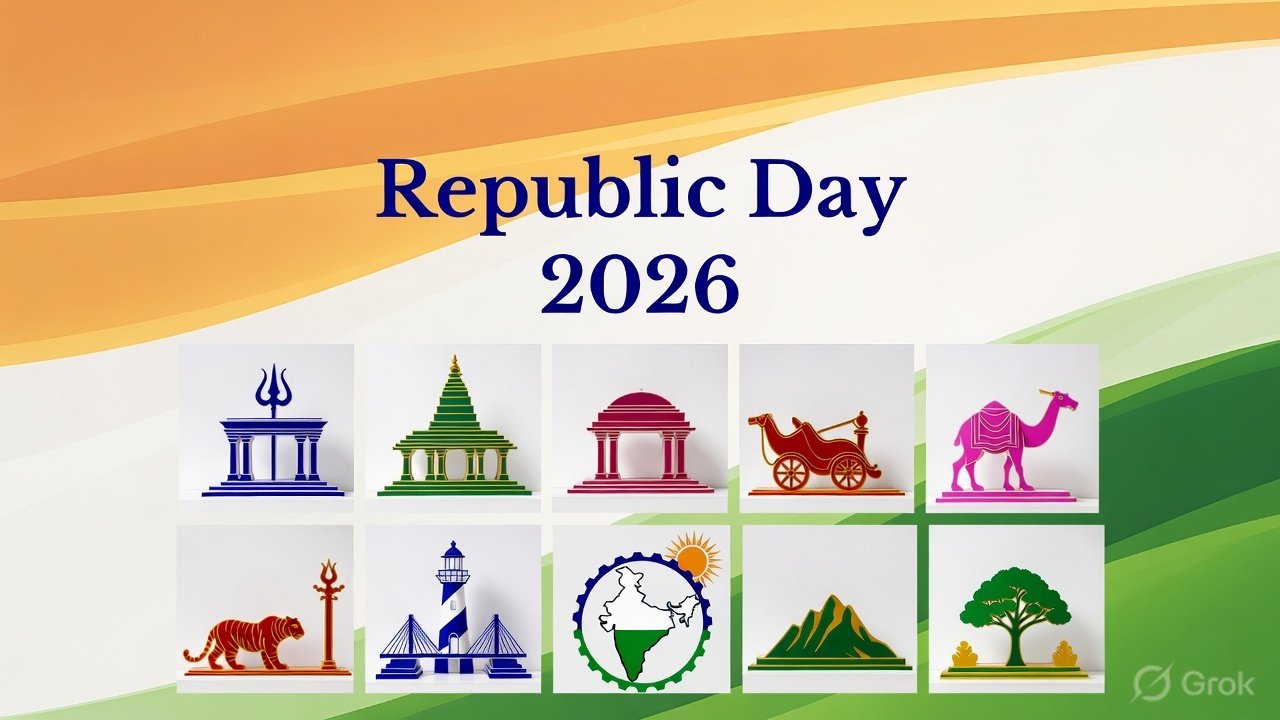
India’s 77th Republic Day celebrations on January 26, 2026, transformed Kartavya Path into a canvas of cultural splendor, historical pride, and forward-looking aspirations. The parade’s tableau segment, broadcast live by Doordarshan National, captured the essence of “Atmanirbhar Bharat” (Self-Reliant India) and “Vande Mataram” – the rallying cry of freedom and unity. From terracotta artisans of Assam to the digital innovations of Kerala, each tableau narrated a unique story of India’s diverse states and ministries. Drawing from the official coverage, this article delves into the highlights, themes, and performances that made the event unforgettable.
The Spirit of the Parade: Themes of Heritage and Progress
The tableaux rolled out in a sequential display, blending tradition with modernity. Recurring motifs included self-reliance, freedom struggles, and sustainable development, all set against the backdrop of enthusiastic chants, folk dances, and vibrant music. As the contingents passed the saluting base, the narration evoked a sense of national pride, reminding viewers of India’s journey from colonial past to a resilient future.
Eastern and Northeastern States: Celebrating Craft and Culture
- Assam: Leading the charge, Assam’s tableau spotlighted Ashari Kandi village in Dhubri district – India’s largest hub for traditional terracotta craftsmanship. Folk artists brought the scene alive with dances and songs like “Ma Ko Dekho Re Sem Ho,” honoring the state’s rich artistic heritage.
- Nagaland: The Hornbill Festival took center stage, symbolizing tourism-driven self-reliance in the Northeast. Community-led initiatives under Atmanirbhar Bharat were highlighted through colorful performances, showcasing the region’s vibrant festivals and unity.
- Manipur: Focusing on agricultural empowerment, Manipur’s display featured three GI-tagged products – ancient chillies, rice, and oranges – that have transformed farmers’ lives. Accompanied by chants of “Hai Sase Sase,” it emphasized sustainable farming and economic independence.
- Odisha: Bridging tradition and technology, Odisha’s tableau depicted women-led semiconductor manufacturing alongside the iconic Konark Sun Temple. Elements like Prakti, Prajni, and Nari Shakti underscored women’s empowerment, with dancers adding a dynamic cultural layer.
- West Bengal: Under the theme “Swatantra Ka Mantra Vande Mataram,” West Bengal paid homage to freedom fighters like Swami Vivekananda, Sri Aurobindo, Rabindranath Tagore, Netaji Subhash Chandra Bose, Khudiram Bose, and Matangini Hazra. The tableau evoked the cultural awakening that fueled India’s independence movement, with chants of “Vande Mataram, Mataram Suj Suna Malay.”
Western and Central States: Tales of Valor and Innovation
- Gujarat: Embodying “Vande Mataram” as the mantra of Swadeshi and self-reliance, Gujarat’s tableau featured Bhikaji Cama’s historic flag, a statue of Mahatma Gandhi with the Dharmachakra, and songs by Dharmendra Chand Meghani. It celebrated the state’s role in the freedom struggle and its enduring spirit of independence.
- Chhattisgarh: Honoring tribal heroes, this tableau showcased India’s first digital museum for freedom fighters like Veer Narayan Singh and memorials for 14 tribal struggles, including the Bhumkal rebellion led by Gundadhur. Chants of “Vande Mataram” echoed the sagas of bravery in places like Tarapur and Halwa.
- Maharashtra: A festive tribute to Ganesh Utsav, complete with idol-making, Visarjan processions, and the Ashtavinayak temples. Traditional dhol beats and chants of “Jai Jai Jai Jai Jai Ganesha Vighna Nivarak” captured the state’s devotional energy and cultural vibrancy.
- Madhya Pradesh: Dedicated to Lokmata Devi Ahilyabai Holkar, a symbol of good governance and self-reliance. Folk dances highlighted her stewardship, including the rebuilding of Shiva temples from Somnath to Kashi, portraying her as a beacon of empowerment.
- Rajasthan: Spotlighting Usta Art from Bikaner, the tableau radiated elegance and craftsmanship. It distinguished Rajasthan’s artistic traditions, blending intricate designs with themes of brilliance and heritage.
Southern States: Blending Tradition with Modernity
- Tamil Nadu: Themed “Prosperity Self Reel India,” it showcased the state’s push towards self-reliance, with an array of displays that left viewers in awe of its cultural and economic abundance.
- Kerala: India’s first water metro and 100% digital literacy were front and center. Featuring brand ambassador Mrs. Sarasu using digital tools and a model of the Kochi water metro boat, it highlighted connectivity in backwaters. Chants like “Water Metro” underscored rural self-reliance.
- Puducherry: Celebrating craft heritage, culture, and Auroville’s visionary community, the tableau emphasized traditional craftsmanship and sustainable living.
Northern States: Devotion, Bravery, and Development
- Punjab: A poignant tribute marked the 350th martyrdom of Sri Guru Tegh Bahadur Sahib Ji, revered as “Hind Di Chadar” – protector of faith and freedom. Chants of “Rakha Prabhuta Ka Tilak” and solemn performances honored his sacrifice for human conscience.
- Himachal Pradesh: Known as Devbhoomi, the “Land of the Brave,” this tableau celebrated “Vande Mataram” as the mantra of duty and freedom. With 1203 gallantry medals to its name, songs like “Dholo Ramaka Mara Himach To Bada Baka Laga” praised the state’s sacrifices for the nation.
- Uttar Pradesh (Bundelkhand): The “Timeless Grand Year of Bundelkhand” featured the Ekmukhi Linga, Kalinjar Fort, and Neelkanth Mahadev Temple. Performances with chants like “Gale Lambe Lambe Bhujang Tung Malika” and themes of Shaktiwan Betiyan highlighted development and cultural depth.
- Jammu and Kashmir: A seamless blend of handicrafts and folk dances created a luminous narrative of cultural continuity, passing the saluting base with perfect harmony and music.
Ministerial Tableaux: Pillars of National Development
Beyond states, ministries showcased India’s policy-driven progress:
- Ministry of AYUSH: Promoting “Tantra of AYUSH” and “Mantra of Health” through the National AYUSH Mission, referencing ancient sages like Charaka and Patanjali for “Swasth Bharatam.”
- Ministry of Skill Development and Entrepreneurship: Transforming India into a skilled workforce hub, with the mantra: “We are the identity of new India.”
- Ministry of Home Affairs: Advancing a people-centric justice system via new codes like the Indian Judicial Code 2023, symbolizing “the light of justice.”
- NDMA and NDRF (Ministry of Home Affairs): Commemorating “Big Earthquake 25 Years of Resilience,” emphasizing disaster preparedness for a safe nation.
- Department of School Education and Literacy: Based on NEP 2020, featuring children with symbols of innovation like Aryabhata and martial arts, chanting “Take flight, touch the sky.”
- Ministry of Panchayati Raj: Highlighting Swamitva Yojana for self-reliant panchayats, with digital empowerment changing rural lives.
- Ministry of Power: “Prakash Ganga – River of Light,” depicting sustainable energy for Vikasit Bharat.
- CPWD (Ministry of Housing and Urban Affairs): Marking 150 years with floral designs and “Vande Mataram.”
- Ministry of Information and Broadcasting: “Bharat Gatha Shruti Kriti Drishti,” designed by Sanjay Leela Bhansali with Shreya Ghoshal’s song, narrating India’s cultural timeline.
- Ministry of Culture: Culminating with “Vande Mataram, The Soul Cry of a Nation,” honoring revolutionaries like Madan Lal Dhingra and Khudiram Bose.
A Unified Tapestry of India
The Republic Day 2026 tableaux were more than a parade – they were a living testament to India’s unity in diversity. From the chants of “Vande Mataram” to innovative displays of self-reliance, the event inspired millions, reinforcing the nation’s commitment to progress while honoring its roots. As the final tableau rolled by, it left an indelible mark: India marches forward, resilient and proud.