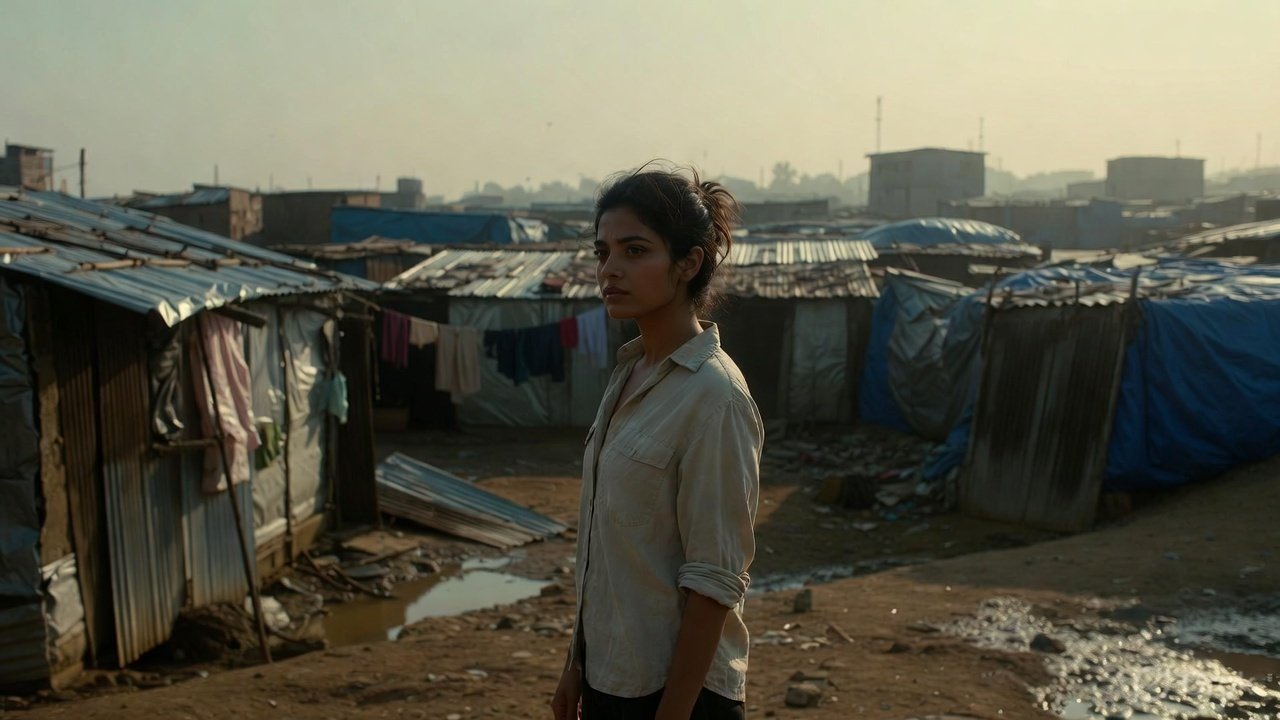
In the vast landscape of Indian storytelling, Doordarshan National has long been a beacon for narratives that capture the essence of everyday life. Their latest series, Katha Sarita, kicks off with a powerful episode titled “Anaaro – A Story of Dignity and Struggle.” Released on July 21, 2025. Based on the acclaimed novel by Manjul Bhagat, the episode weaves poetry, folk elements, and stark realism to paint a portrait of human endurance. If you’re a fan of heartfelt dramas that reflect societal truths, this is a must-watch.
The Heart of the Story: Anaaro’s Unyielding Journey
The episode plunges us into the life of Anaaro, a village woman who relocates to Delhi in pursuit of a brighter future for her family. What unfolds is a poignant exploration of her daily battles in the unforgiving slums of the city. From the outset, we’re greeted with evocative poetic lines: “His sun is like a stale face, who can count the days?” These words set a contemplative tone, mirroring the fleeting and fragile nature of existence for those on the margins.
Anaaro’s world is one of constant motion and hardship. Living in a makeshift hut in the Golden Bridge slums, she juggles household chores with grueling work as a domestic helper in affluent homes. The narrative intensifies when a demolition squad arrives, barking orders for residents to evacuate and relocate to Madan Girve. Amid the pandemonium—people hastily packing belongings into tempos—Anaaro’s determination shines through. She isn’t just surviving; she’s fighting to maintain her family’s stability in a system that seems designed to break her.
Her interactions with employers, whom she calls “mistresses,” reveal the class divides and suspicions she faces. Accused of idleness or frivolous activities during her long hours away, Anaaro staunchly defends her work ethic: “I have to run the house, feed the children.” Her husband, dismissively referred to as “Ganji’s father,” is an unreliable figure—often absent, preferring dhabas over home-cooked meals, and leaving debts and responsibilities squarely on her shoulders. This absenteeism forces Anaaro to become the sole breadwinner, repaying loans while shielding her children from the harsh realities.
Adding layers to her domestic turmoil is the presence of a co-wife, Chhubili, who stirs conflict by demanding equal rights and privileges. Their arguments over food, roles, and household dynamics highlight the complexities of polygamous arrangements in impoverished settings. Anaaro stands her ground, asserting, “I earn my keep,” refusing to let these tensions erode her sense of self-worth.
Interwoven throughout are cultural touchstones that ground the story in Indian traditions. Folk songs like “Akkad Bakkad Bambe Bo” echo in the background, evoking Anaaro’s rural roots amid the urban sprawl. The episode doesn’t shy away from broader socio-economic issues: daily accidents in the slums, the ever-looming threat of eviction, and the societal judgment heaped on women who step out to work. A tragic mention of a young man crushed by a car underscores the precariousness of life here, where survival is a daily gamble.
Themes That Resonate: Dignity Amid Despair
At its core, “Anaaro” is a story about dignity in the face of unrelenting struggle. Anaaro embodies resilience, refusing to be defined by her circumstances. Her life is a tapestry of pain and love—managing debts, childcare, and marital discord while clinging to her integrity. The episode subtly critiques urban migration’s pitfalls: the dream of city life often crumbles into slum evictions and exploitation.
Themes of gender roles and empowerment are front and center. Anaaro’s employers and neighbors probe her personal life, from her husband’s fugitive past to her co-wife’s demands, yet she navigates these with quiet strength. The poetic interludes, like “He has added to his home, he has counted every straw,” symbolize her meticulous efforts to build a life from scraps, emphasizing that true dignity comes from within.
Manjul Bhagat’s source material shines through in the authentic portrayal of slum life, blending emotional depth with vivid, chaotic scenes. The fragmented dialogues and overlapping conversations mirror the disorder of Anaaro’s world, making the viewer feel the weight of her burdens.
Why This Episode Stands Out
Directed with a keen eye for realism, the episode’s strength lies in its relatable characters and unvarnished depiction of urban poverty. Doordarshan National’s production quality—complete with atmospheric music and cultural nuances—elevates it beyond typical TV fare. It’s not just entertainment; it’s a mirror to the struggles of millions in India’s megacities.
For those interested in stories of human triumph, “Anaaro” offers a compelling start to Katha Sarita. Whether you’re drawn to themes of resilience, family dynamics, or social commentary, this episode delivers. Catch it on YouTube via Doordarshan National’s channel, and prepare to be moved by Anaaro’s unyielding spirit. As the series promises more tales from the “river of stories,” this premiere sets a high bar for what’s to come.